 Plan a journey
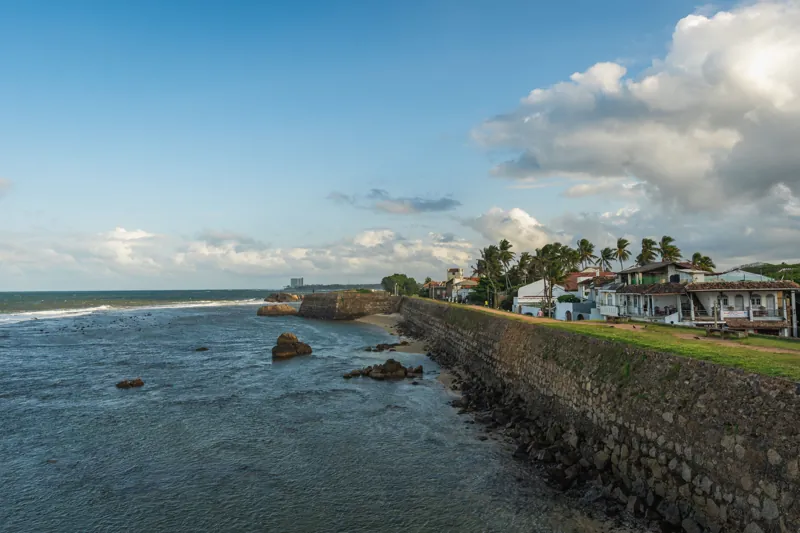
Inside Galle's seventeenth-century ramparts is a living town of whitewashed churches, merchant villas, galleries and cafés. It is the best-preserved European-built fortified city in South and Southeast Asia.
History
Galle's natural harbour drew traders long before Europeans arrived. The Portuguese reached the area in the early sixteenth century and later built the first fortifications. The Dutch East India Company captured the town in 1640 and spent decades rebuilding it as a powerful bastioned fort, much of which still stands. The British took over in 1796.
UNESCO listed the Old Town of Galle and its Fortifications in 1988 as an outstanding example of a fortified city where European architecture met South Asian traditions. The thick walls helped shelter the old town during the 2004 tsunami.
Culture & meaning
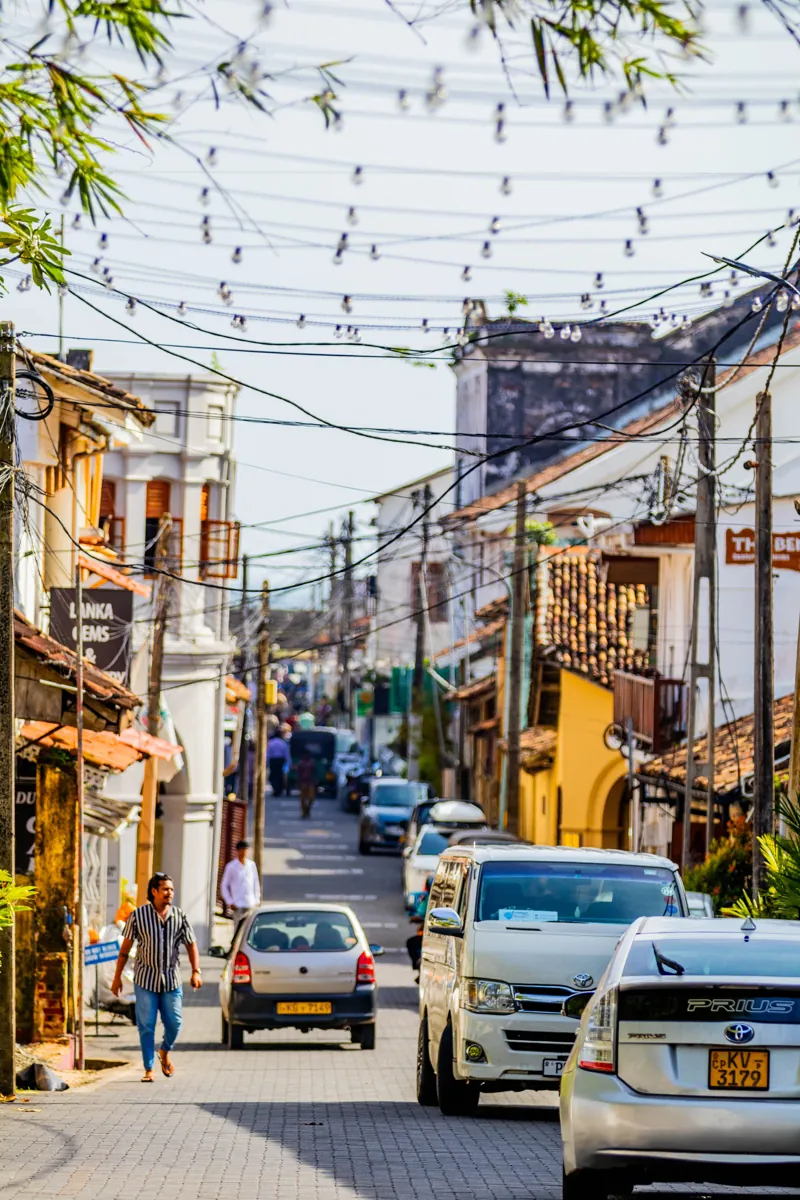
The fort is still a lived-in neighbourhood. Muslim, Sinhalese and Burgher families live here alongside boutique hotels and design shops. Look for the Dutch Reformed Church, the old VOC gate with its coat of arms, the Meeran Mosque and the white lighthouse on Point Utrecht Bastion.
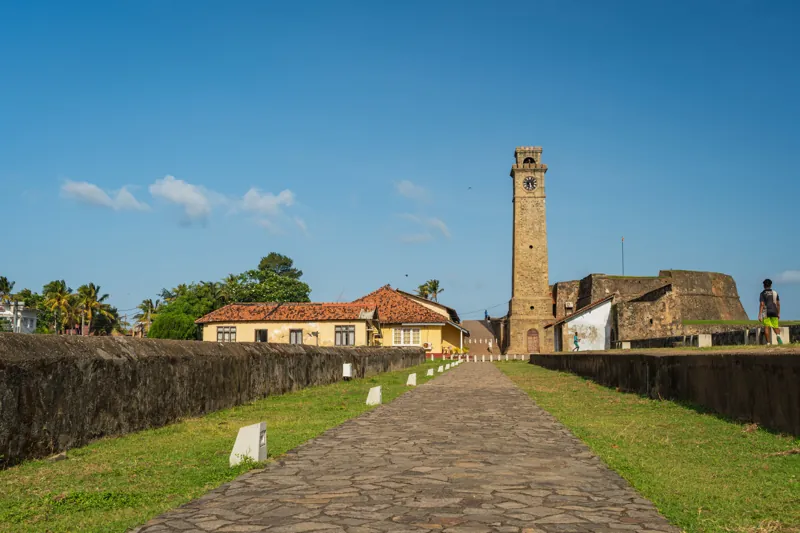
At sunset, locals and visitors walk the ramparts, kids fly kites on the bastions, and cliff-jumpers dive into the sea near Flag Rock.
Travel notes
- Walk the full circuit of the ramparts in the late afternoon and finish at the lighthouse for sunset.
- Visit the fort early on a weekday. Weekends bring large crowds from Colombo.
- The National Maritime Museum and the Dutch Hospital shopping arcade are both inside the walls.